
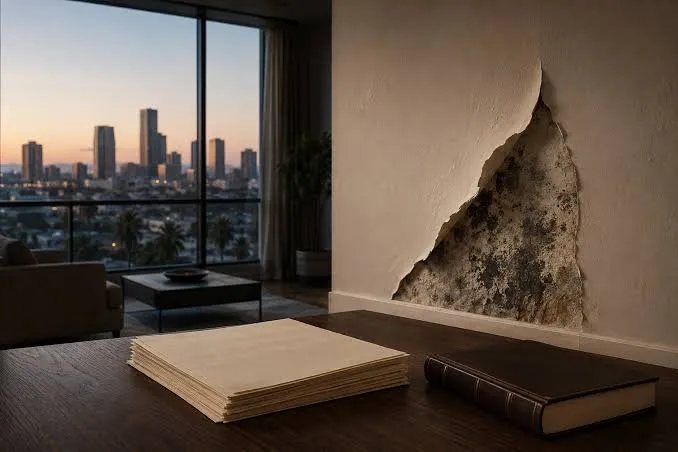
A mold dispute is rarely just about whether mold existed. Legal questions can involve the source of moisture, the landlord or property owner’s knowledge, the response after notice, the extent of damage, and whether claimed losses can be connected to the condition.
People consulting toxic mold attorneys california should expect the facts to matter more than broad assumptions about mold. California habitability and negligence issues can be highly fact-specific, and different cities may also have local enforcement or tenant-protection rules.
Establish a Clear Timeline
A useful timeline begins with when the tenant first noticed moisture, leaks, odors, staining, or visible growth. It should then record each notice to management, inspection, repair attempt, and recurrence.
Dates can help show whether a problem was addressed promptly or remained unresolved. Emails, maintenance logs, photographs, and messages are often more reliable than trying to reconstruct events months later.
Show What the Property Owner Knew
Notice is often an important issue in rental habitability disputes. A landlord cannot respond to a problem they genuinely do not know about, while repeated written complaints may create a very different factual record.
A mold claim lawyer may therefore review not only the tenant’s messages but also prior repair requests, building inspection records, or evidence of recurring leaks affecting neighboring units.
Connect the Condition to Specific Losses
A legal claim may involve damaged personal property, relocation costs, rent paid during unsafe conditions, medical expenses, or other losses depending on the circumstances.
Each category should be supported where possible. Receipts, photographs, medical records, hotel bills, and replacement estimates can make claimed damages easier to evaluate.
Understand That Medical Causation Can Be Contested
People may experience respiratory or other symptoms while living in a damp or mold-affected environment, but legal causation is not established simply because symptoms and mold occurred at the same time.
Healthcare professionals should evaluate medical concerns, and legal counsel can assess how that evidence fits the claim. Overstating causation can create problems if the available records do not support the conclusion.
Preserve Evidence Before Conditions Change
Mold can be cleaned, walls can be opened, and damaged items can be thrown away. Once that happens, important visual evidence may be impossible to recreate.
Tenants should document conditions safely before repair or disposal when possible. If expert inspection or testing may be relevant, obtaining advice early can help avoid unnecessary or unreliable methods.
Consider the Lease and Property Type
The lease may contain notice procedures, maintenance obligations, or other terms relevant to the dispute. Local rules can also vary depending on whether the property is rent-stabilized or subject to particular housing regulations.
A lawyer evaluating the claim may need the complete lease, amendments, and any move-in documentation. Isolated pages can omit provisions that change the analysis.
Avoid Broad Settlement Comparisons
Online discussions often focus on mold settlement amounts, but cases vary widely based on evidence, damages, causation, insurance, and procedural posture. Another person’s result is not a reliable prediction.
A more useful question is what losses can be documented in the individual case and what legal theories are supported by the facts.
Act Before Evidence Disappears
Leaks get repaired, walls get replaced, and tenants move. Delay can make it harder to establish what the property looked like when the condition was at its worst.
Preserving records early does not mean a lawsuit must follow. It simply keeps options open while the situation is being evaluated.
Keep Communications Professional and Specific
Written complaints are usually more useful when they identify the location, date, visible condition, and requested repair without exaggeration. Clear language can make the record easier for a later reader to understand.
Professional communication also reduces side disputes about tone and keeps attention on the condition itself, the notice given, and the response that followed.
Conclusion
A California mold claim is usually built from a combination of timeline, notice, source, damages, and supporting records. Visible mold is part of the story, but rarely the only fact that matters.
Because legal deadlines, lease terms, and local rules can vary, tenants with serious losses should seek advice tailored to their situation. Strong documentation can make that evaluation more accurate and help distinguish a potentially viable claim from one that lacks necessary evidence.