
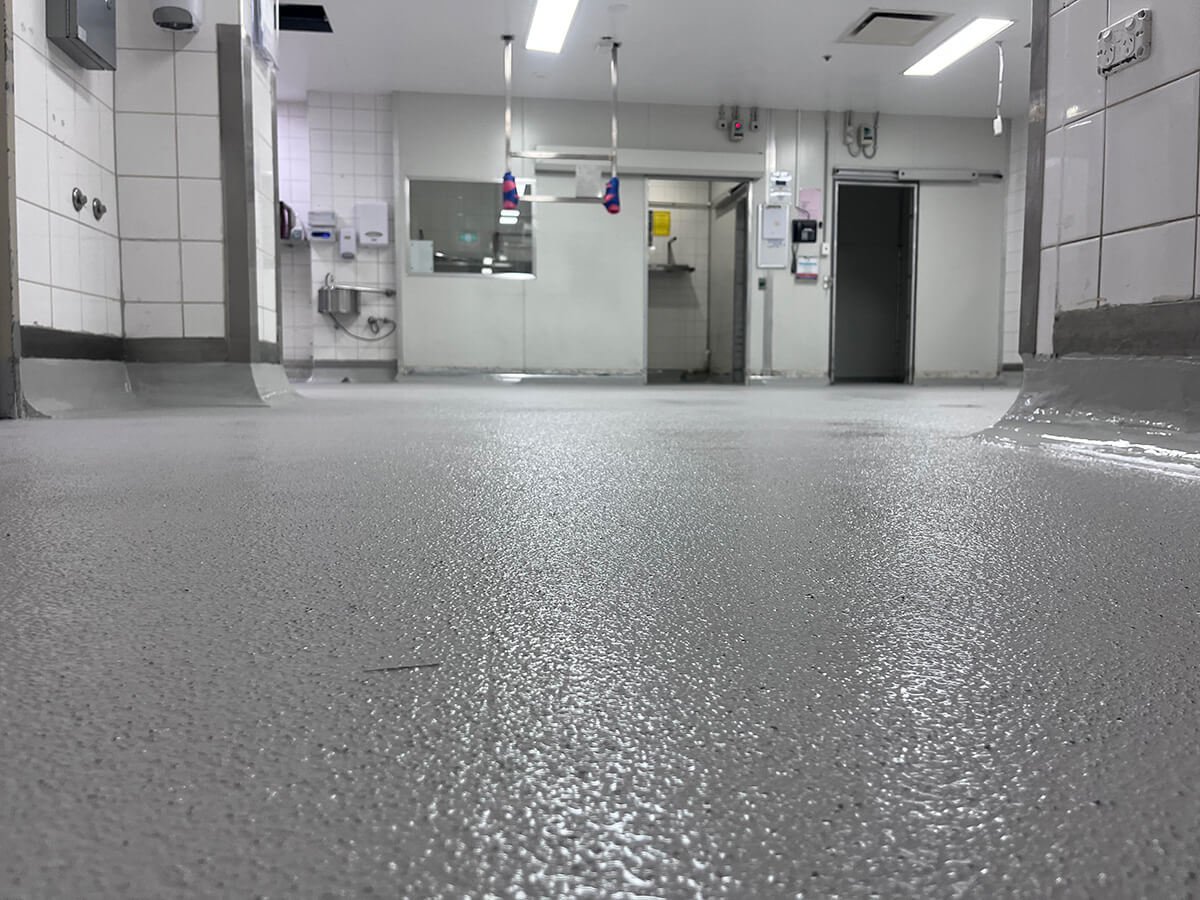
Commercial floors deal with demanding conditions every day. Warehouses, workshops, retail spaces, factories, garages, and other business premises may experience heavy foot traffic, machinery movement, vehicle traffic, spills, and regular cleaning. Because of these demands, choosing a suitable flooring system requires more than selecting an attractive surface. Businesses across the Hunter Region need to consider durability, preparation, maintenance, safety, appearance, and the practical requirements of their premises before starting a flooring project.
Understand Your Business Needs
The first step is identifying how the floor will actually be used. A warehouse with forklifts has different requirements from a retail store, workshop, showroom, or office. Heavy equipment, pallet movement, vehicles, chemicals, and frequent foot traffic can all affect flooring performance.
When comparing commercial epoxy flooring Hunter Region options, consider the daily activities taking place on the property. Think about traffic levels, equipment weight, cleaning routines, moisture exposure, and whether the floor needs to withstand occasional impacts. This information can help determine what type of epoxy system and preparation process may be appropriate.
Assess the Existing Concrete
Epoxy flooring is applied over an existing surface, so the condition of the concrete matters. Cracks, grease, dust, old coatings, uneven areas, and other contaminants can affect preparation and installation.
A professional assessment can identify whether repairs, cleaning, grinding, or other preparation methods are required. The goal is to create a suitable surface for the coating system rather than simply applying a new layer over existing problems.
Good preparation can also help create a more consistent finish. Businesses should therefore ask potential contractors what preparation is included in the proposed flooring service.
Consider Traffic and Durability
Commercial environments can place significant stress on flooring. Forklifts, carts, vehicles, machinery, and constant pedestrian movement can gradually wear unsuitable surfaces.
Epoxy flooring is often considered for commercial environments because it creates a hard, seamless surface over properly prepared concrete. However, the appropriate system depends on the specific site and expected use.
A business should explain its traffic patterns to the flooring contractor. Details such as forklift movement, vehicle access, heavy storage racks, or production equipment can help the contractor recommend an appropriate system.
Think About Maintenance
Cleaning requirements should be considered before selecting a commercial floor. Businesses may need to sweep, wash, disinfect, or remove spills regularly, depending on the type of facility.
A smooth and properly installed epoxy surface can make routine cleaning more straightforward because there are fewer joints and exposed areas where dirt can collect. However, maintenance requirements still depend on the particular system and the environment in which it is installed.
Ask about recommended cleaning products, cleaning frequency, and any maintenance procedures that should be followed. This can help protect the flooring investment and keep the workplace looking professional.
Evaluate Safety Requirements
Safety is another important consideration for commercial flooring. Workplaces may regularly deal with water, oils, dust, chemicals, or other substances that could affect traction.
Depending on the environment, businesses may want to discuss textured finishes or slip-resistant additives with their flooring contractor. The right choice should reflect the actual conditions of the workplace rather than being selected only for appearance.
Drainage, cleaning routines, footwear, and the type of work being performed can all influence the practical safety requirements of a floor.
Consider Appearance and Branding
Commercial flooring does not have to look purely industrial. Epoxy systems can be available in different colors, decorative finishes, and patterns, allowing businesses to create a cleaner and more organized appearance.
A showroom may prioritize visual presentation, while a warehouse may focus primarily on practical performance. Offices and customer-facing facilities may also benefit from flooring that complements their existing interior design.
Color choices can sometimes help distinguish areas within larger facilities. For example, different floor markings or visual zones may support traffic organization when properly planned.
Compare Hunter Valley Options
Businesses searching for commercial epoxy flooring Hunter Valley should compare contractors based on more than a quoted service description. Look at their experience with commercial environments, preparation methods, product systems, project planning, and understanding of the property’s requirements.
Ask whether the contractor has experience with premises similar to yours. A company accustomed to residential garage floors may have a different approach from one regularly working in warehouses, factories, workshops, or commercial facilities.
It is also useful to discuss project scheduling. Businesses may need flooring work completed around operating hours, deliveries, staff movement, or equipment relocation. Planning these details can reduce disruption.
Plan the Installation Carefully
Commercial flooring projects require practical planning. Before work begins, determine how the area will be cleared, whether machinery needs to be moved, and how long different stages of preparation and curing may take.
Ask about ventilation, access restrictions, curing periods, and when the floor can safely handle normal traffic again. These details are especially important for businesses that cannot afford unnecessary interruptions.
A clear project plan can make the installation process easier to coordinate with normal business operations.
Conclusion
Choosing commercial epoxy flooring across the Hunter Region involves more than selecting a coating color or finish. Businesses should consider how the floor will be used, the condition of the concrete, expected traffic, maintenance requirements, workplace safety, appearance, and installation scheduling. Comparing contractors based on preparation methods and relevant commercial experience can also help create a more suitable project plan. Taking these factors into account allows businesses to approach flooring decisions with clearer expectations and practical priorities. For businesses planning a commercial flooring project, blastprepgrind.com can be a useful resource for exploring professional flooring and surface preparation services.