
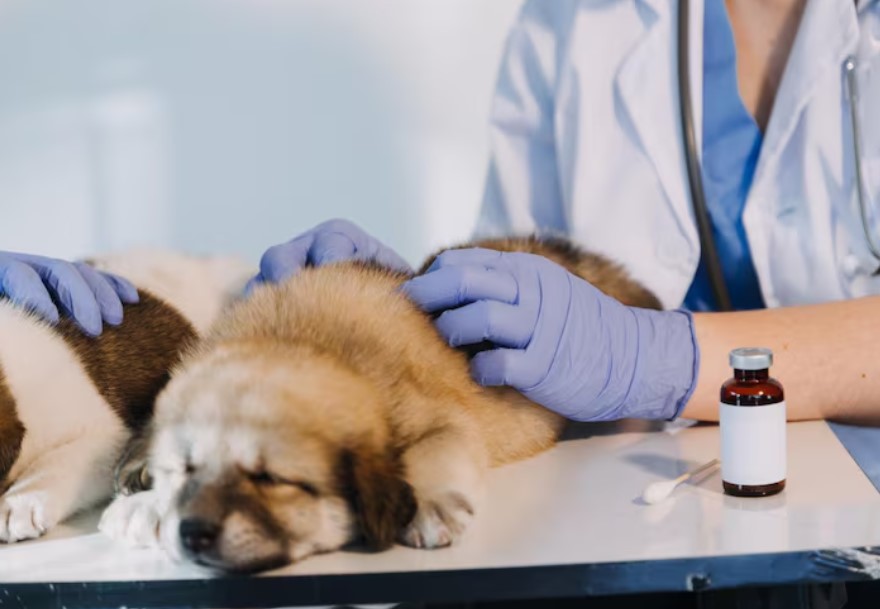
Finding worms in your dog’s stool can be alarming, but buying the first product labeled “broad-spectrum” is not always the right move. Different dewormers target different parasites, and no single medicine covers every type of worm.
The best dog dewormer is one that matches the parasite, your dog’s weight and age, and the treatment schedule recommended by a veterinarian. A stool test is often the safest starting point because dogs can carry parasites without showing obvious symptoms.
At a Glance: Dog dewormers do not all treat the same parasites. Pyrantel commonly targets roundworms and hookworms, fenbendazole may cover roundworms, hookworms, and whipworms, while praziquantel targets tapeworms. Use the correct product for your dog’s weight and age, follow the full treatment schedule, and arrange follow-up testing when advised.
What Does a Dog Dewormer Do?
A dewormer for dogs contains an antiparasitic ingredient that kills or removes specific worms. Some medicines paralyze the parasite, while others damage its structure or interfere with its ability to survive.
Dewormers may be available as:
-
Tablets
-
Chewable tablets
-
Liquids
-
Granules
-
Topical treatments
-
Injectable veterinary medicines
-
Combination parasite preventives
The form does not determine how effective the product is. What matters is the active ingredient, correct dose, targeted parasite, and treatment schedule.
Some monthly heartworm preventives also control certain intestinal parasites. However, coverage differs by product. A medicine that protects against roundworms and hookworms may not treat tapeworms or whipworms. Always read the exact label instead of assuming “monthly parasite protection” covers everything.
Common Worms in Dogs
Roundworms
Roundworms are especially common in puppies. Dogs may become infected before birth, through nursing, by swallowing contaminated soil or feces, or by eating infected animals.
Possible signs include a pot-bellied appearance, poor growth, vomiting, diarrhea, dull coat, or visible spaghetti-like worms. Some infected dogs show no noticeable symptoms.
CAPC recommends beginning routine puppy deworming at two weeks of age and repeating it every two weeks until puppies are old enough to begin an effective monthly parasite-control product.
Hookworms
Hookworms attach to the intestinal lining and feed on blood. Heavy infections can cause anemia, weakness, dark stool, poor growth, and pale gums. Young puppies can become seriously ill.
Dogs may pick up hookworms by swallowing larvae, through skin contact with contaminated ground, or through nursing. CAPC recommends year-round parasite control with hookworm coverage and regular fecal testing because infected dogs may have no symptoms while still contaminating the environment.
Whipworms
Whipworms live mainly in the large intestine. Infected dogs may develop recurring diarrhea, mucus or blood in the stool, weight loss, dehydration, or weakness.
Whipworm eggs can survive in contaminated environments, making reinfection possible. Treatment may require repeated doses because some medicines kill adult worms but do not remove every developing stage at once.
Tapeworms
Tapeworm segments may look like small grains of rice around the dog’s anus, bedding, or fresh stool.
The common flea tapeworm spreads when dogs swallow infected fleas during grooming. Giving tapeworm medicine without controlling fleas can lead to another infection.
Other tapeworm species may spread when dogs eat infected rodents, rabbits, livestock tissue, or raw animal material. Praziquantel is a commonly approved active ingredient for treating canine tapeworms.
Dog Dewormer Ingredients Compared
|
Active Ingredient |
Commonly Targets |
Important Consideration |
|
Pyrantel pamoate |
Roundworms and hookworms |
Often used in puppies, but dosing must match weight and product strength |
|
Fenbendazole |
Roundworms, hookworms, whipworms, and certain other parasites |
Usually requires treatment over multiple days |
|
Praziquantel |
Tapeworms |
Flea control may also be required to prevent reinfection |
|
Febantel |
Roundworms, hookworms, and whipworms in combination products |
Frequently combined with other active ingredients |
|
Milbemycin oxime |
Heartworms and selected intestinal worms |
Coverage depends on the specific preventive |
|
Moxidectin |
Heartworms and selected intestinal parasites |
Available in different forms with product-specific directions |
This table shows common uses, not a substitute for the product label. Medicines containing the same active ingredient may have different concentrations, age limits, weight ranges, and dosing schedules.
Merck Veterinary Manual lists several approved options for canine roundworms, hookworms, and whipworms, but the correct selection depends on the exact parasite and the individual dog.
How to Choose the Best Dog Dewormer
Identify the Parasite
Do not choose a product based only on symptoms. Diarrhea, vomiting, weight loss, and poor appetite can result from many medical problems.
A veterinarian may examine a fresh stool sample for parasite eggs or other evidence of infection. A negative result does not always rule out worms because parasites may not release detectable eggs every day. Repeat testing or another diagnostic method may be needed.
Bring a fresh stool sample to the appointment when requested. If you see worms or unusual segments, take a clear photo or place a sample in a sealed container for veterinary identification.
Check the Active Ingredient
The front of the package may say “dewormer,” but the active ingredient section tells you what the medicine actually contains.
Confirm that the label lists the parasite you need to treat. Pyrantel alone will not provide the same coverage as a combination containing praziquantel and febantel.
Avoid combining multiple dewormers unless a veterinarian has checked the active ingredients. Two differently branded products may contain the same medicine, creating a risk of accidental double dosing.
Use an Accurate Body Weight
Most deworming medication for dogs is dosed according to body weight. Guessing can result in too little medicine or an unsafe amount.
Weigh small dogs and puppies carefully because even a minor difference can affect dosing. Use a veterinary scale when possible. For larger dogs, weigh yourself while holding the dog and subtract your own weight, provided you can do so safely.
Recheck growing puppies before each scheduled dose.
Review Age and Health Restrictions
Not every dewormer is suitable for very young puppies, pregnant dogs, nursing dogs, seniors, or dogs with medical conditions.
Tell your veterinarian about:
-
Current medications
-
Heartworm preventives
-
Flea and tick products
-
Previous drug reactions
-
Pregnancy or nursing
-
Liver or kidney disease
-
Seizure history
-
Severe diarrhea or vomiting
Never give a dog livestock, horse, or human antiparasitic medicine unless a veterinarian has specifically prescribed it. Concentrations and inactive ingredients can differ greatly.
Safe Dosage and Treatment Timing
There is no universal dog-dewormer dose. The correct amount depends on the active ingredient, product concentration, parasite, body weight, age, and route of administration.
Follow these rules:
-
Read the complete package label.
-
Confirm your dog’s current weight.
-
Use the measuring device supplied with liquid medicine.
-
Give every scheduled dose.
-
Do not repeat treatment early without veterinary advice.
-
Arrange follow-up testing when recommended.
Some worms require repeated treatment because newly developing parasites may survive the first dose. Stopping after one dose simply because visible worms disappear may leave an infection untreated.
CAPC’s general guidance recommends regular broad-spectrum parasite control and fecal testing based on the animal’s age, lifestyle, and risk. Puppies generally need more frequent testing and treatment than healthy adult dogs.
Possible Side Effects
Many dogs tolerate properly selected dewormers well. Temporary side effects may include:
-
Mild vomiting
-
Soft stool or diarrhea
-
Drooling
-
Reduced appetite
-
Tiredness
Contact a veterinarian immediately if your dog develops repeated vomiting, severe diarrhea, facial swelling, breathing trouble, collapse, tremors, seizures, extreme weakness, or another serious reaction.
Seeing worms in the stool after treatment may occur as parasites are expelled. However, continued symptoms or repeated visible worms may indicate reinfection, incorrect treatment, or another parasite that requires a different medicine.
Preventing Worm Reinfection
Medication removes current parasites, but it does not permanently protect the dog unless it is part of an ongoing preventive program.
Reduce reinfection by:
-
Picking up feces promptly
-
Washing hands after handling stool
-
Keeping kennels and yards clean
-
Preventing hunting and scavenging
-
Controlling fleas
-
Avoiding raw animal organs and carcasses
-
Scheduling regular stool tests
-
Using veterinarian-recommended parasite prevention
Some canine intestinal parasites can also affect people. Children are at greater risk because they may play in contaminated soil and put unwashed hands near their mouths. Prompt feces removal and routine parasite control help protect both pets and family members.
Dewormers Do Not Treat Food Allergies
Itching, paw licking, and ear problems do not automatically point to intestinal worms. Fleas, mites, bacterial infections, environmental allergies, and food reactions may cause similar concerns.
Do not immediately buy a dewormer or search for the best pet food for dogs with skin allergies without identifying the cause. A veterinarian can determine whether the problem requires parasite control, a skin treatment, or a structured elimination diet.
Frequently Asked Questions
What Is the Best Dog Dewormer?
The best dog dewormer is the product that targets the parasite your dog actually has. Pyrantel, fenbendazole, praziquantel, and combination products cover different worms, so stool testing and veterinary advice can prevent incorrect treatment.
Can I Deworm My Dog Without a Stool Test?
Some routine puppy or preventive programs may follow a veterinarian-approved schedule without a positive test. However, dogs with symptoms or repeated infections should receive fecal testing because one dewormer does not cover every parasite.
How Often Should Dogs Be Dewormed?
The schedule depends on age, lifestyle, location, and preventive medication. CAPC recommends starting puppies at two weeks, repeating treatment every two weeks during early puppyhood, then moving to regular parasite control. Adult dogs need a risk-based prevention and testing plan.
How Long Does Dog Dewormer Take to Work?
Some medicines begin affecting worms within hours, but visible improvement and parasite removal may take longer. The treatment may also require several daily doses or a repeated dose later, depending on the parasite and product.
Should I Treat Every Pet if One Dog Has Worms?
Other pets may need testing, treatment, or preventive care depending on the parasite and their exposure. Do not share the infected dog’s medicine because cats, puppies, and other animals may require different products or doses.