

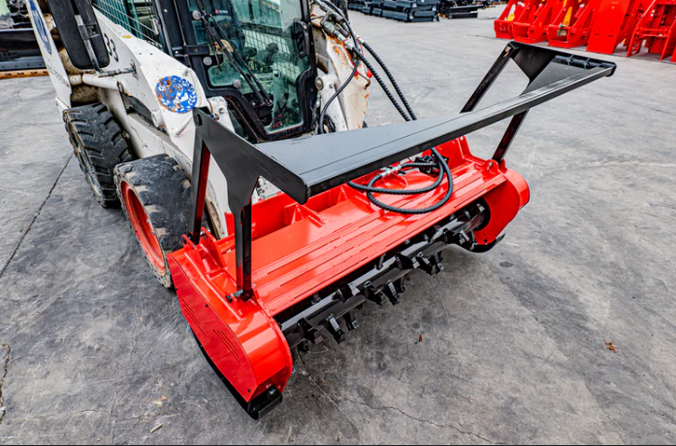
A skid steer is one of the most versatile machines on any jobsite, but its real value comes from the tools you connect to it. The right skid steer loader attachment can turn one compact machine into a digger, sweeper, lifter, grader, or demolition assistant in minutes. That flexibility helps contractors, farmers, landscapers, and property managers save time, reduce labor, and complete more work with fewer machines.
Whether you manage a busy construction site or maintain land and facilities, understanding attachment options is essential before you buy. From buckets and augers to trenchers and grapples, each tool is built for a specific purpose and operating condition. For product examples and specifications, visit https://www.mmsce.com/collections/skid-steer-loader-attachment. This guide explains the main types, key buying factors, maintenance tips, and best practices so you can make a smart long-term investment.
Why Attachments Matter for Productivity
A skid steer becomes far more useful when it can switch from one task to another without major downtime. Instead of bringing in several dedicated machines, operators can often complete multiple stages of a project with one loader and a set of well-chosen tools.
Here is why attachments deliver such strong value:
- They reduce the need for extra equipment.
- They help crews finish jobs faster.
- They improve machine utilization throughout the year.
- They support specialized work with less manual labor.
- They can lower operating costs over time.
This flexibility is especially valuable for businesses that handle mixed projects. A contractor may need to move soil in the morning, drill holes in the afternoon, and clear debris before the end of the day. With the proper setup, one machine can handle all three jobs.
Common Types of Skid Steer Attachments
Different industries rely on different tools, but several attachment categories are widely used because they solve everyday jobsite problems efficiently.
Buckets
Buckets are the most common option and are used for loading, carrying, leveling, and cleanup. General-purpose buckets work well for soil, gravel, sand, and loose material. Heavy-duty versions are better for rougher environments with rock, demolition debris, or repeated high-impact use.
Augers
Augers are ideal for drilling holes for fence posts, trees, footings, and signs. They are popular in agriculture, landscaping, and construction. Performance depends on bit size, soil type, and hydraulic power, so matching the auger to the machine is important.
Trenchers
Trenchers are designed for creating narrow, consistent trenches for irrigation lines, cables, and utility installation. They are a strong choice when precision is more important than bulk excavation.
Grapples
Grapples make it easier to handle brush, logs, scrap, and demolition debris. They provide a secure grip on irregular materials and are especially useful in land clearing and waste handling.
Pallet Forks
Pallet forks help operators move palletized materials, blocks, feed, and equipment. They are practical for farms, warehouses, supply yards, and building sites where lifting and transport are frequent.
Sweepers and Brooms
These tools are used to clean paved areas, warehouses, parking lots, and construction zones. Keeping workspaces clear improves safety and creates a more professional appearance.
Hydraulic Breakers
Breakers are used for concrete removal, pavement breaking, and demolition work. They are powerful tools, but they place high demand on the machine’s hydraulic system and require careful operation.
Snow and Seasonal Tools
Snow blades, snow blowers, and spreaders add year-round value in colder regions. Seasonal tools help owners get more return from their machine outside peak construction months.
How to Choose the Right Skid Steer Loader Attachment
Not every tool is right for every machine or business. The best choice depends on the jobs you handle most often, the conditions you work in, and the capacity of your loader.
1. Start With Your Core Tasks
Before comparing brands or prices, identify the tasks that create the most revenue or consume the most labor. If you mainly move loose material, a high-quality bucket may matter more than a specialty tool. If fence installation is common, an auger may offer faster return on investment.
Think in terms of daily work, not occasional projects. Buying for rare jobs often leads to underused equipment.
2. Match the Attachment to Machine Specifications
Your loader’s rated operating capacity, hydraulic flow, lift path, and coupler type all affect compatibility. A tool that is too heavy or requires more hydraulic power than the machine can supply will reduce performance and may create safety risks.
Check these details before purchase:
- Operating weight limits
- Standard-flow or high-flow hydraulic requirements
- Width and overall dimensions
- Coupler compatibility
- Recommended machine size range
Ignoring these specifications can cause poor productivity, premature wear, or attachment failure.
3. Consider Material and Jobsite Conditions
Soft soil, rocky ground, wet surfaces, demolition waste, and indoor flooring all require different tool characteristics. For example, a brush grapple built for land clearing may not be ideal for handling dense scrap metal. Likewise, a bucket suited to sand may wear out quickly in abrasive rock.
Choose tools built for your actual working environment, not just general use.
4. Evaluate Build Quality
Durability matters. Look for reinforced welds, quality steel, replaceable wear parts, protected hoses, and strong cutting edges. A cheaper tool may appear attractive at first, but repeated repairs and downtime often cost more than buying a better-built model.
Key signs of solid construction include:
- Thick steel in high-stress areas
- Clean, consistent welds
- Grease points for moving components
- Guarded hydraulic lines
- Easy access for service and replacement parts
5. Think About Operator Ease
Attachments should be simple to connect, easy to control, and predictable in operation. Complex tools may offer strong capability, but they can slow down crews if training requirements are too high.
Operator-friendly features often include visible connection points, quick coupling systems, and controls that match normal machine functions.
Benefits of Using the Right Attachment Strategy
Choosing tools carefully is not only about task completion. It also affects scheduling, crew efficiency, and equipment lifecycle.
Better Return on Equipment Investment
A loader that supports several profitable tasks becomes more valuable than a machine used for only one purpose. That increases utilization and helps justify the original purchase.
Faster Project Turnaround
The right tools reduce manual work and shorten task time. Faster job completion can improve client satisfaction and open more room in the schedule for additional projects.
Reduced Labor Pressure
Many businesses face labor shortages or rising wage costs. Attachments help small teams do more with the same headcount by replacing repetitive or physically demanding work.
Improved Jobsite Safety
Using purpose-built tools is generally safer than trying to force a general bucket or improvised method to perform specialized work. Better control and cleaner handling reduce avoidable accidents.
Maintenance Tips to Extend Service Life
Even the best equipment needs proper care. Good maintenance protects performance and helps avoid costly breakdowns during busy periods.
Follow these basic practices:
- Inspect the attachment before and after use.
- Check hoses, fittings, and guards for leaks or damage.
- Tighten loose hardware and inspect pins regularly.
- Grease moving parts according to the manufacturer schedule.
- Clean off mud, debris, and corrosive material after work.
- Store tools on level ground in a dry area when possible.
- Replace worn teeth, edges, or bits before they affect performance.
Hydraulic tools deserve extra attention because contamination, pressure issues, and overlooked leaks can quickly damage both the attachment and the carrier machine.
Mistakes Buyers Should Avoid
Buying attachments without a plan often leads to wasted money. Avoid these common mistakes when comparing options.
Choosing Based on Price Alone
Low price does not always mean good value. A cheaper tool may have thinner steel, weaker welds, or poor parts support.
Overlooking Hydraulic Requirements
Some tools demand higher flow than a standard machine can deliver. Always confirm the hydraulic match before ordering.
Buying Too Many Specialty Tools Too Early
Start with tools that support recurring work. Expand your lineup when demand becomes consistent enough to justify new purchases.
Ignoring Dealer or Supplier Support
Parts availability, warranty handling, and technical guidance matter. Strong support can save days of downtime when problems occur.
Best Industries for Multi-Attachment Use
Many sectors benefit from attachments, but a few see especially strong results because their daily tasks vary so much.
Construction
Construction crews use buckets, breakers, pallet forks, trenchers, and grading tools to handle site preparation, material movement, and demolition.
Agriculture
Farm operators often rely on forks, buckets, bale handlers, grapples, and augers for feeding, cleanup, fencing, and general maintenance.
Landscaping
Landscapers use augers, trenchers, soil conditioners, rakes, and brooms to prepare sites and maintain outdoor spaces efficiently.
Property and Facility Maintenance
Cleaning tools, forks, snow equipment, and general buckets help maintenance teams handle seasonal and year-round work without large fleets.
How to Plan an Attachment Fleet for Growth
If your business is expanding, think beyond a single purchase. Build a lineup that supports both current jobs and future demand.
A practical approach is to divide tools into three levels:
Essential Tools
These are used weekly or even daily. For many operators, this group includes a bucket, forks, and one application-specific tool such as an auger or grapple.
Growth Tools
These support services you already offer but want to scale. A trencher, sweeper, or breaker might fit here depending on your market.
Seasonal or Niche Tools
These are purchased when regional demand makes them worthwhile, such as snow tools or specialty demolition equipment.
This approach helps you expand without overspending and keeps your equipment strategy tied to revenue.
Conclusion
A skid steer loader attachment is more than an accessory. It is a productivity tool that can expand service capability, reduce manual work, and improve the return you get from one compact machine. The best results come from choosing tools that match your most common jobs, machine specifications, hydraulic capacity, and work environment.
Instead of buying based only on price, focus on durability, compatibility, operator ease, and supplier support. A thoughtful attachment strategy helps businesses work faster, stay safer, and respond to more customer needs throughout the year. Whether you operate in construction, agriculture, landscaping, or facility maintenance, investing in the right tools can create long-term efficiency and stronger profitability.
FAQ
What is the most useful attachment for a skid steer?
The answer depends on the type of work you do most often. For general material handling, a bucket and pallet forks are usually the most practical starting tools. For specialized work, the best choice could be an auger, trencher, grapple, or breaker.
How do I know whether an attachment will fit my machine?
Check the machine’s rated operating capacity, coupler system, hydraulic flow, and recommended attachment size. A good supplier should help confirm compatibility before purchase.
How often should attachments be maintained?
Basic inspection should happen before and after use. Greasing, hardware checks, and replacement of wear parts should follow the manufacturer’s maintenance schedule and the intensity of your work.
Is one skid steer loader attachment enough for most businesses?
Usually not. One attachment can solve a specific problem, but most businesses benefit from a small set of tools that supports material handling, cleanup, and one specialized job function.
Where can I explore product options?
You can review available tools and compare models by visiting the collection page linked earlier: https://www.mmsce.com/collections/excavator-attachment.
